
1
Why trying harder makes it worse.
And why pressure usually kills desire.
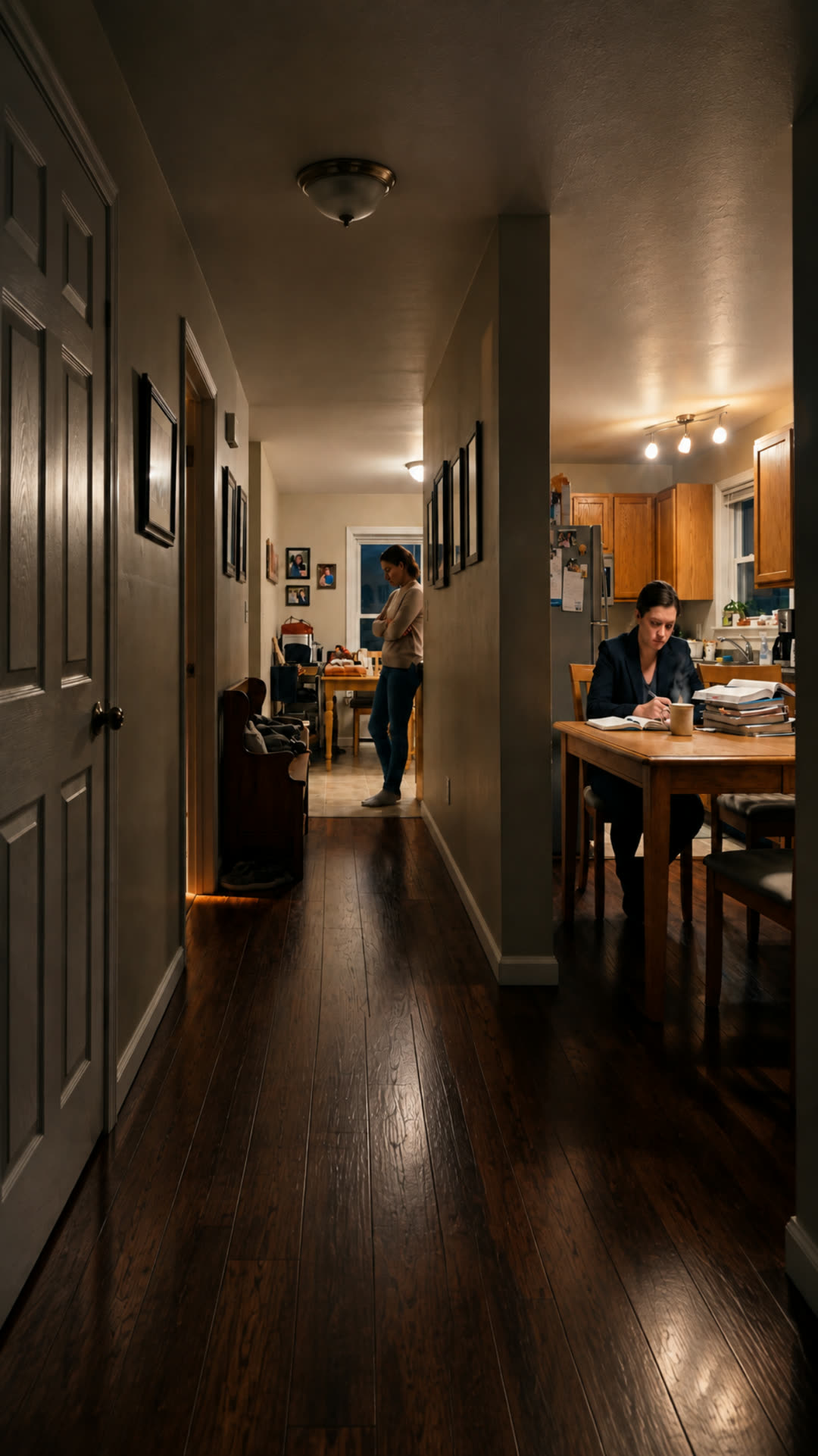
You lead every room you walk into.Except the most intimate one.
You talked and talked more.Another date night.Books.Couples therapy.Slow sex…
So why does your sex life still feel…Stuck.Like another chore.Heavier than before.


You love your partner so much.So why do you wonder if your desire is too much or not enough?
You don’t want to make it worse,so you don’t bring it up.
“We can’t keep living like this.This will end us.”
Neither of you is broken.
This pressure can becomepleasure.

There is another way.
Instead of fixing the gap, let’s get curious about it.
Explore your erotic mind map.
Three steps. One live workshop.
Somatic sexologist · Sex and relationship coachTrainee psychosexual and relationship therapist
Live Online Workshop3 Steps for Couples Struggling with a Desire Gap
Space is limited
Come alone or with a partner.The recording is sent to everyone who registers.
Save my spotAnd why pressure usually kills desire.
to working with the relationship, with no verdict on either of you.
And how to share it without it landing as a complaint.
After the workshop, I’ll send you body-based exercises to bring this into your relationship and your bed, the same day.

Supported
individuals and couples in the last 4 years.
I know how much courage it takes to be here.
For years, I lived exactly where you are right now. The 3/10 sex. Loving someone and still feeling completely alone in the relationship. Performing intimacy, and carrying unspoken shame.
I didn’t learn this work from textbooks alone. My own body demanded that I find a way back to safety, intimacy, and real pleasure.
Today I’m in a relationship with a big gap in age, culture and tempo. I choose it every day, and I work it out at home, not just in the therapy room.
With all my love, Sapphire
Read my full storyMy training: Postgraduate diploma in psychosexual and relationship therapy (COSRT-accredited, in progress). Certified sex and relationship coach and somatic sexologist. Supervised clinical placement.
My postgraduate paper was on desire differences. My approach draws on Basson (responsive desire), Perel, Morin, and Meston and Buss.
“I stopped thinking I was the problematic one.”
“The session completely changed the way we communicate around touch and intimacy.”
“We left with tools we could actually use, and a way to talk to each other when one of us is not at a hundred percent.”
“Since our session, I’ve also been able to feel proud of myself on 4 or 5 occasions over the last week, and that’s something that might normally happen only a few times a year.”
“…where I felt more free and more lust, after that session.”
“Today, I feel free to explore while honoring both my own boundaries and those of my partner. What I found is a beautiful combination of freedom and safety.”
“Thank you, Sapphire, for helping me rediscover a part of myself I thought I had lost.”
Notice what’s happening in your body as you read. What’s happening to your breath? No scoring. Nodding counts.
“We love each other, but we feel like roommates.”
Tap the ones that sound like you
If you nodded at even one of these, you are in the right place.
It can be resolved. Neither of you is broken, and more or less desire usually isn’t a diagnosis.
Nothing. Just curiosity and openness. Maybe a cup of tea. Maybe a notebook, though I’ll send you everything afterwards.
Tuesday, November 17 · 19:30 CET · 75 minutes · Free · Online
Space is limited. Recording sent to everyone who registers
See you online on Tuesday, November 17, 19:30 CET. Can’t be there live? The recording comes to you.
One important thing, right now: your link and calendar invite are on their way from hello@sapphireleela.com. Please check every folder, including Spam, Promotions and Updates, so you don’t miss them. If it landed there, move it to your main inbox or mark it “Not spam”.
P.S. In case you haven’t heard it today yet: you are so loved.